HIGHLIGHTS
Preventive Medicine
We know that prevention and early detection are often better than even the best medicine. And for the Bronx community, whose diagnosis and mortality rates lag significantly behind the general population, we need new approaches to catch up.
In response, Montefiore Einstein Urology's prostate cancer screening approach centers on innovation, standardization, and equitable access. “Our goal is to optimize what we do as a collective whole, ensuring every patient receives care aligned with best practices,” says Dr. Watts, who leads the department’s prostate cancer initiatives.
At its core, the program provides a streamlined pathway for men with elevated PSA levels. A department-wide protocol and rigorous quality checks mean patients—wherever they enter the system—receive the same up-to-date evaluation. For those with low-risk or early disease, active surveillance is supported by a live electronic-record tracker reviewed each month to catch any missed follow-ups. “It’s not enough to identify these patients; we need a systematic way to monitor them, so they never fall through the cracks,” Dr. Watts explains.
Community outreach is equally important, and the department’s system for monitoring outcomes and follow-ups continues to have real impact. In September—National Prostate Cancer Awareness Month—Montefiore Einstein teamed up once again with Fans for the Cure and the New York Yankees for the third-annual “Knock Prostate Cancer Out of the Park” event at Yankee Stadium. Each event has brought in nearly 200 men for screening and anyone with elevated PSA levels is contacted within a week for follow-up.
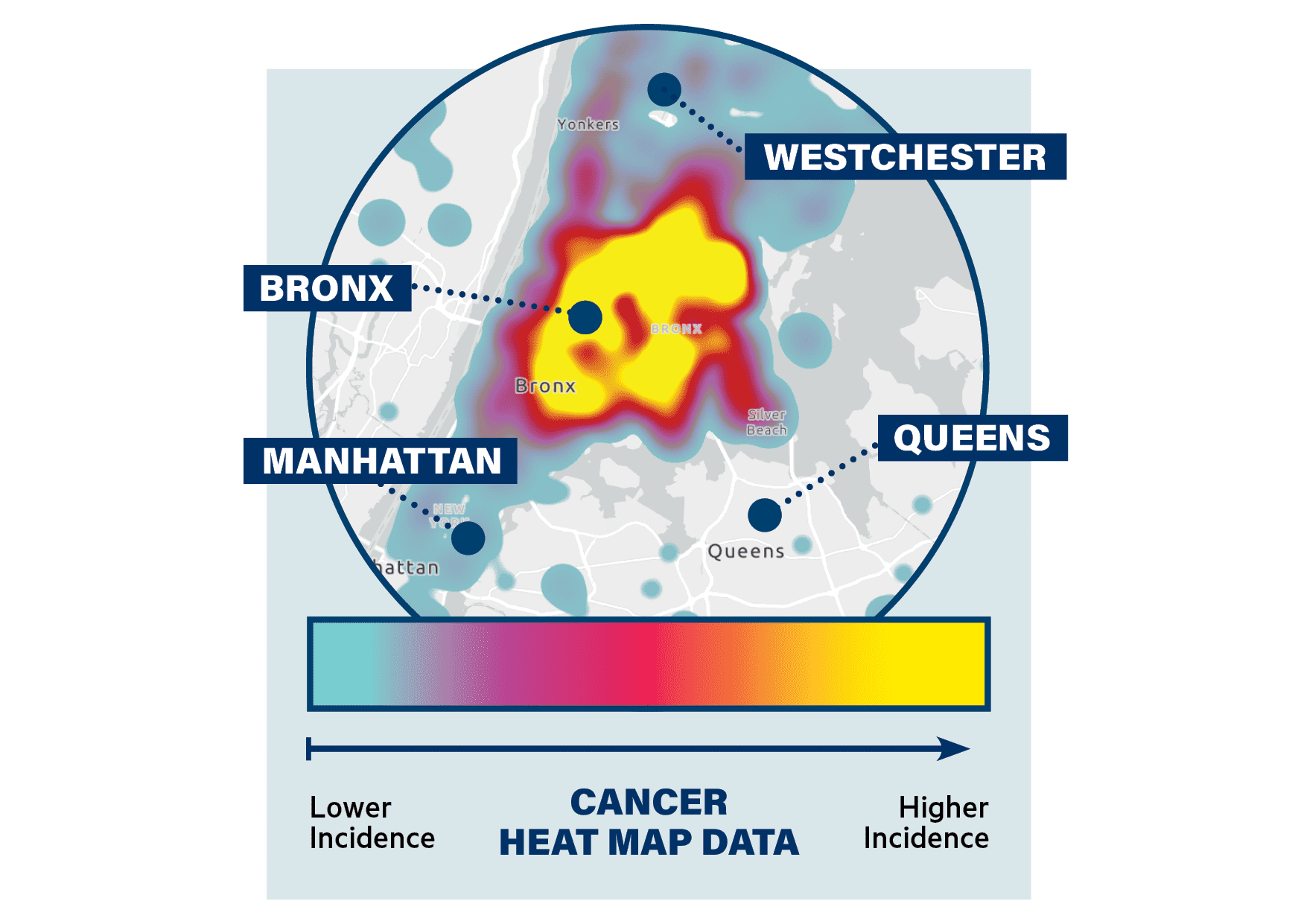
We are expanding our reach as well with another exciting and new partnership. For the last 40 years, the American-Italian Cancer Foundation (AICF) has offered free breast cancer screenings. Now, they have expanded their mandate to include prostate cancer and chose Montefiore Einstein as their medical service partner, offering free mobile screenings to Bronx and Westchester neighborhoods identified through cancer “heat map” data. And to reach even more people, we have also increased engagement with “His and Hers” events in conjunction with the breast cancer division.
Education rounds out the strategy—helping men weigh the benefits of screening and explore options from focal therapy to clinical trials. By linking standardized care, vigilant monitoring, and targeted outreach, the department is creating more than a screening program. As Dr. Watts puts it, “We’re not just screening—we’re building a system that connects patients, providers, and the community in a way that drives real impact.”

Patient referrals
At Montefiore Einstein Urology, we know that providing patients with the best possible care includes teamwork and trust. We work closely with our valued referring physicians to ensure open communication and reliable expertise.